
Up Close and Personal
Making portraits near Seoul's oldest neighbourhood

The most common piece of blanket advice I’ve heard as a photographer is the command to ‘get closer.’ The original quote, attributed to Robert Capa, has admonished generations of photographers for their reluctance and timidity.
“If your photos aren’t good enough,
you’re not close enough.”
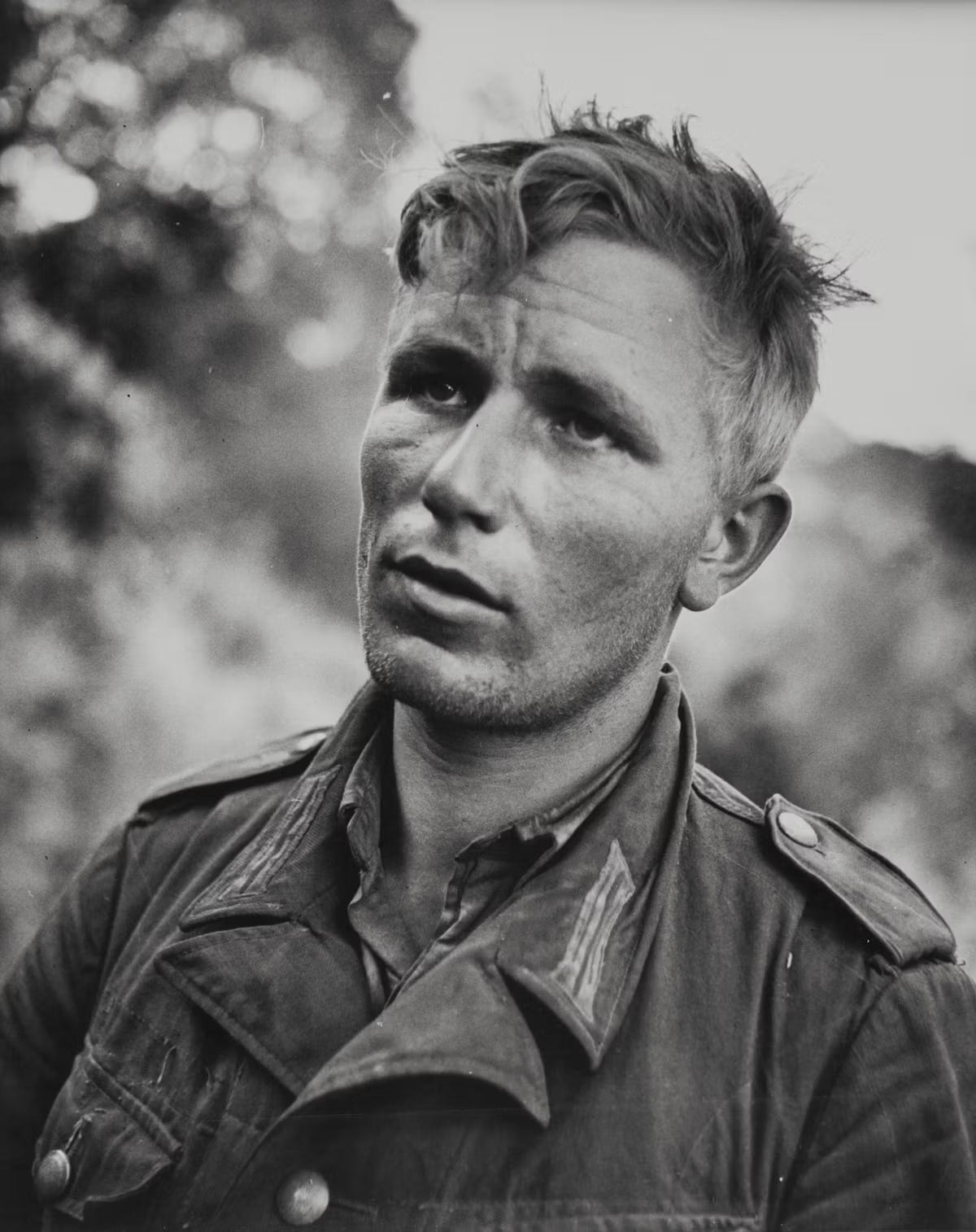
For many photographers, particularly street photographers, the quote is interpreted as a directive for increased physical proximity to the subject. Reducing the distance between the lens and the subject magnifies their features, making monuments of what would otherwise be minor details. In the image above, small elements I might have overlooked become vivid - the crooked set of the soldier’s jaw, the stubble suggesting days away from camp or comfort, the furrow in his triangle of sadness.
I think it’s a rite of passage for many photographers who’ve picked up a book by Bruce Gilden or Alex Webb, members of Capa’s Magnum, to try and imitate their versions of this close-quarter aesthetic.
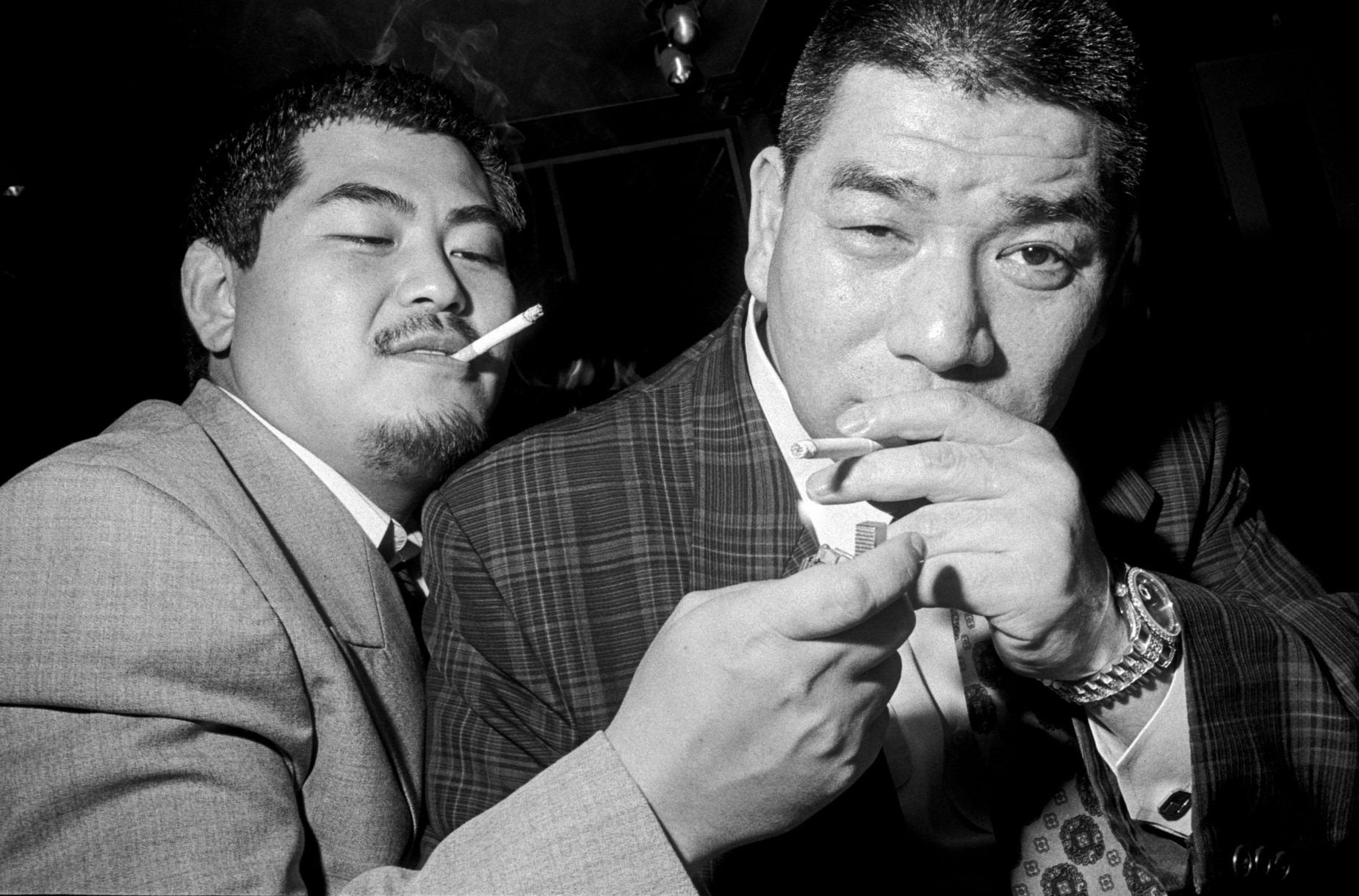
I did it too, and while I occasionally got results that looked right, I found the images often left me quite cold. All the elements were in the right place but for some reason the images didn’t excite me. It took me a while to realize that the subtext in the call for proximity wasn’t just physical closeness, but emotional closeness as well.
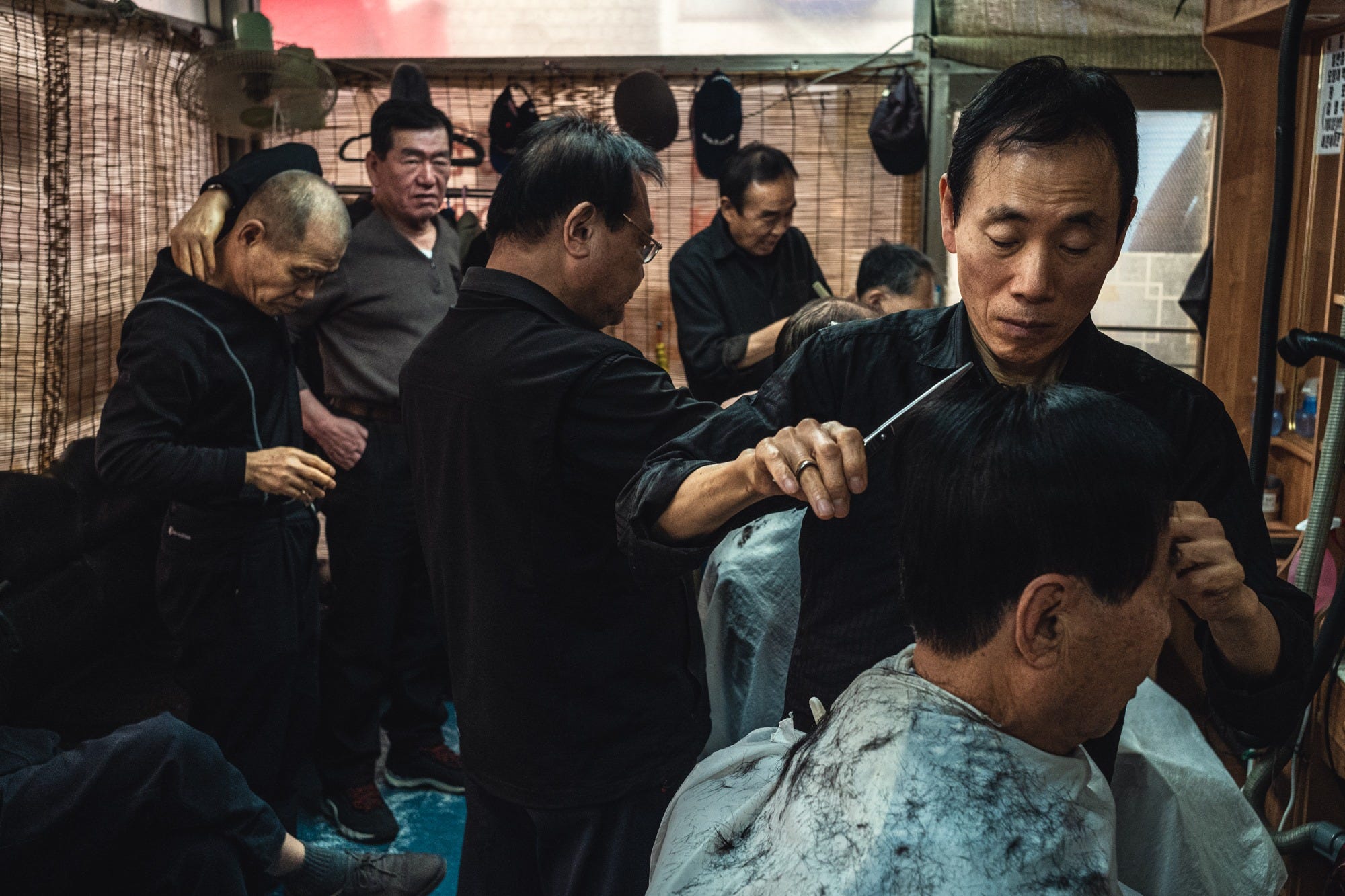
It was this tone of emotional closeness I was aiming for when I spent a month in Seoul’s historic Jongno district approaching the old men who hang out in the park playing baduk and asking them for portraits.
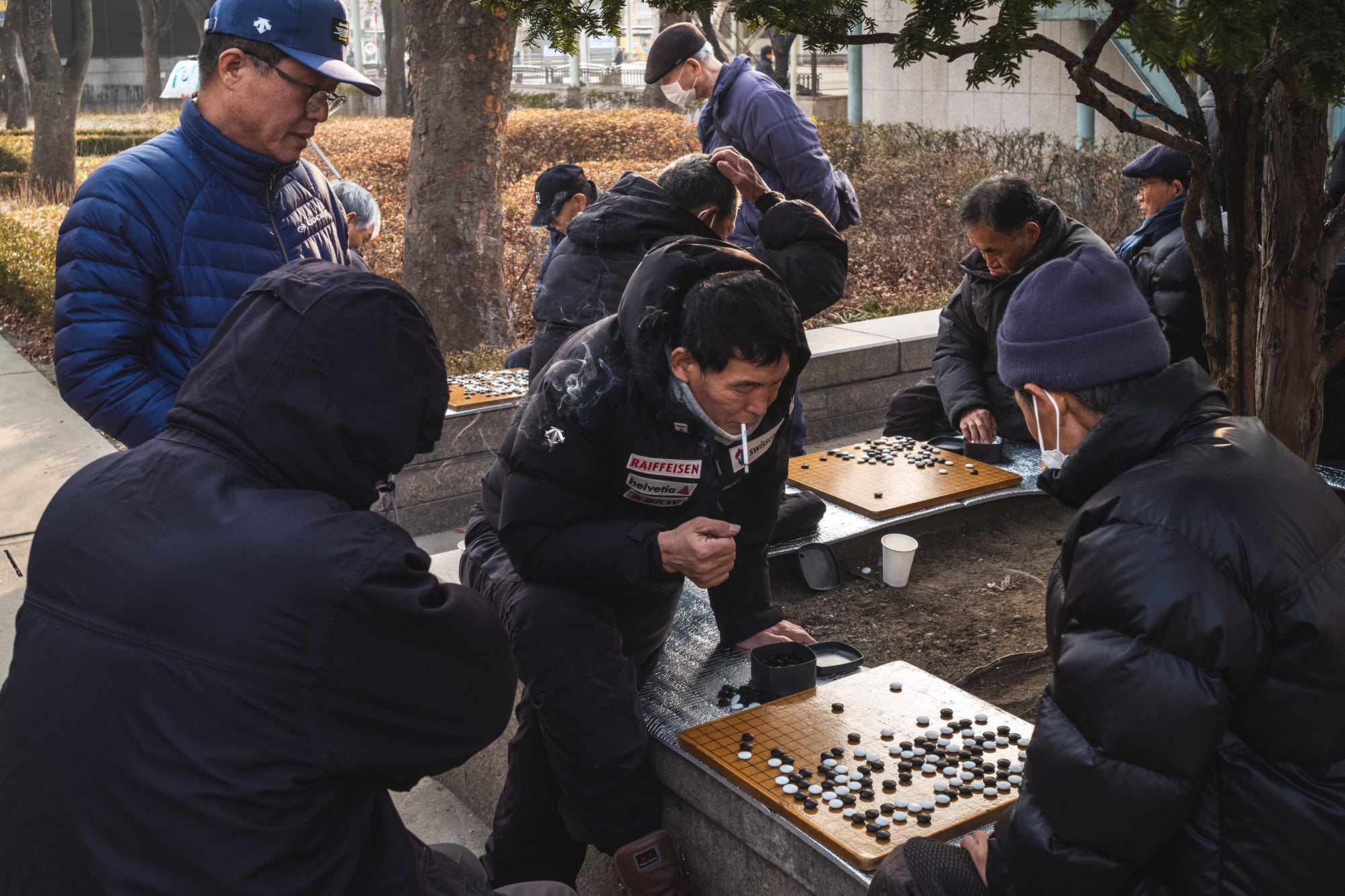
My goal had been to get as close as I could for these portraits, weirdly close, filling the frame with the subjects’ faces in a way that made their expression the point of focus.
By doing so, my hope was that I’d achieve something I found lacking in much of my street photography - a sense of emotional depth.
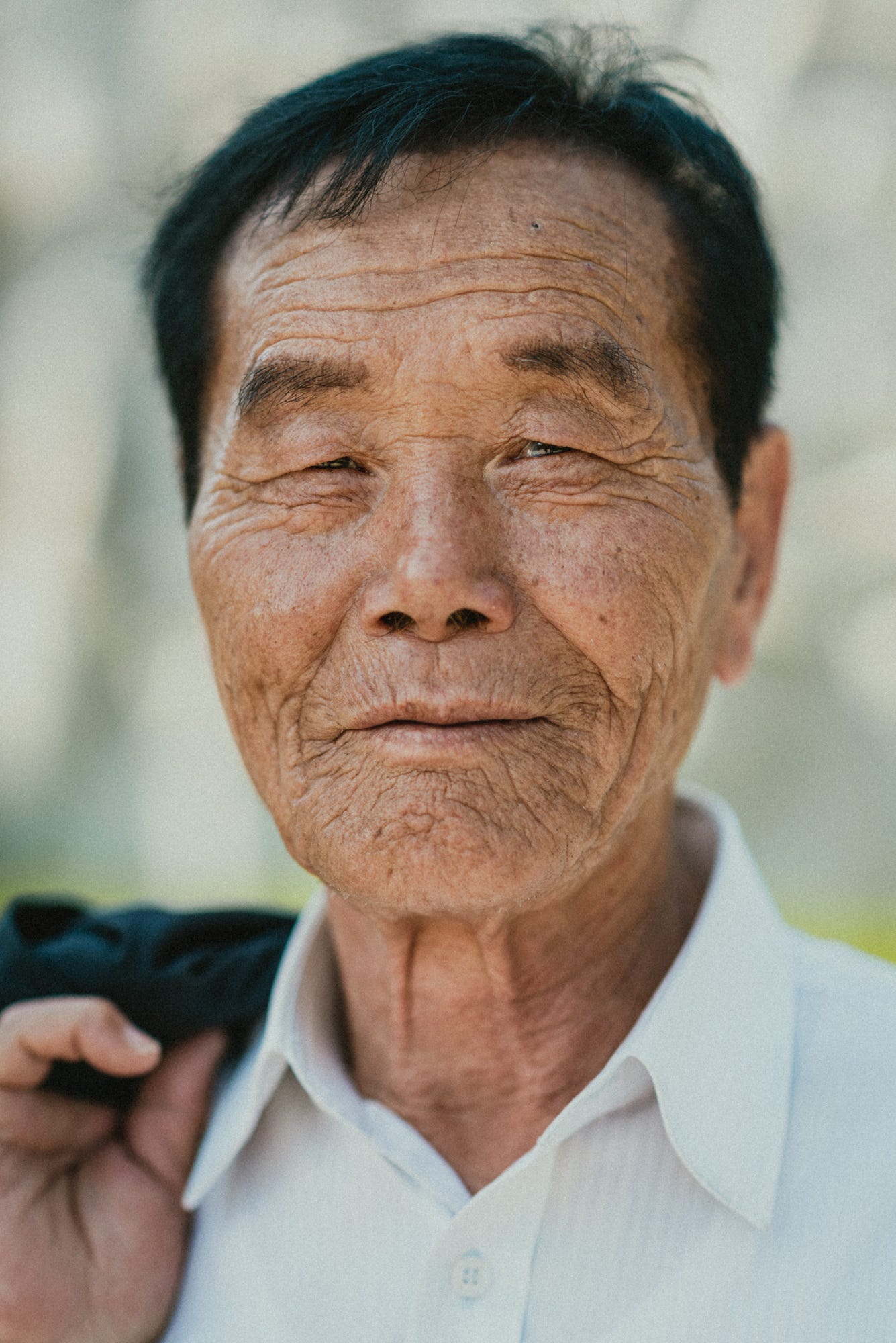
Much of the time, Koreans prefer not to be photographed. I struggled against that fact for years until I started leading with conversation first and photography second. One of my early newsletters detailed how communication helped my photography progress from distance to closeness.
Anyone willing to stand for a portrait in Korea is going against the cultural flow to a certain extent, especially considering the one asking is a slightly scruffy foreigner with inscrutable intentions.
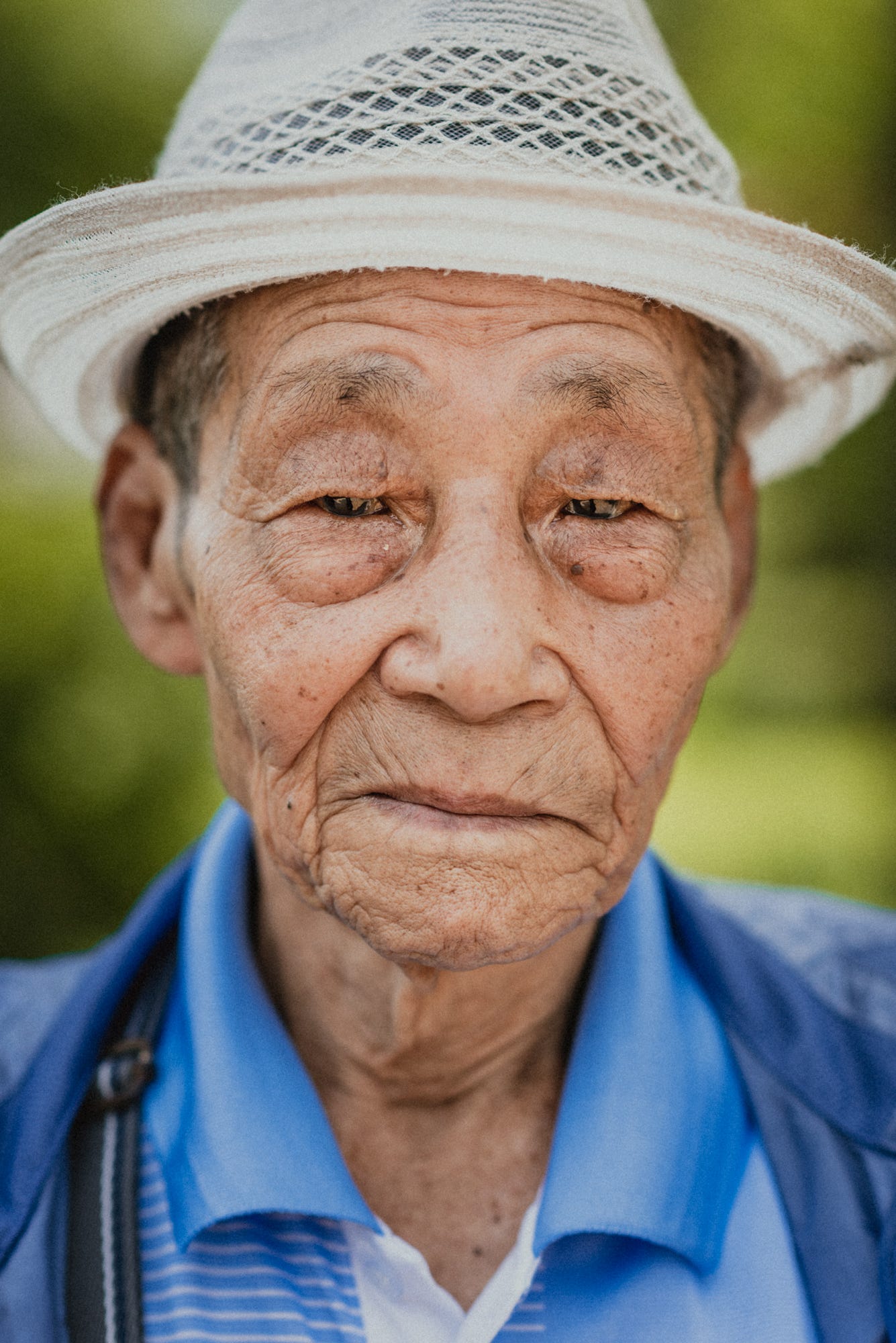
Getting close to a subject when photographing them is a step over an invisible barrier and into their comfort zone. It’s an intimate space, and I try to respect their willingness to share it with me by making a portrait that describes them without opinion.
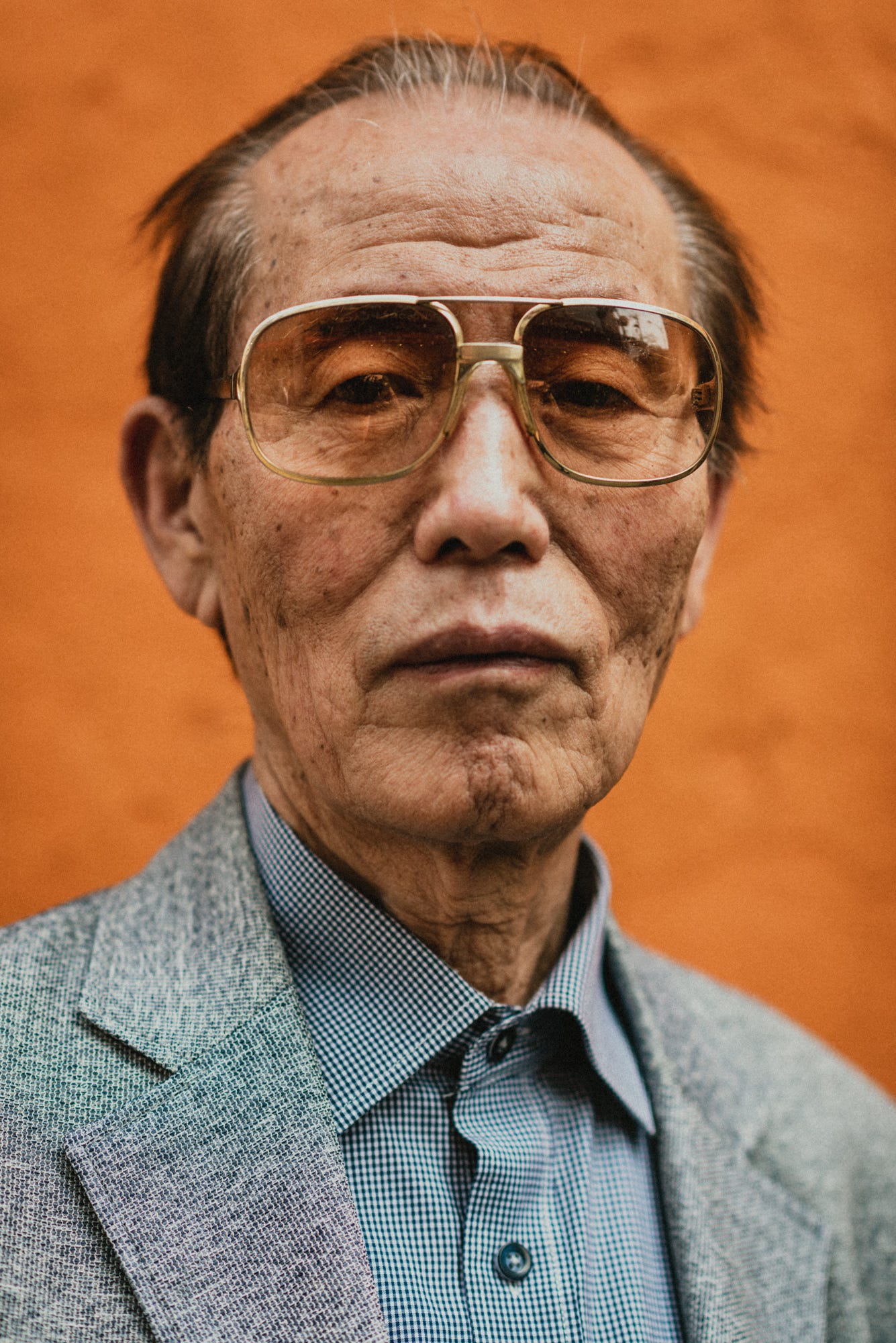
In total I made 34 portraits. Getting close did not guarantee that every image would have an emotional depth, but by the end of the month I was satisfied that around 10 had a quality which lived up to my intentions.
I’ve included a few below, let me know if any of them resonate with you.
Cheers,
Chris ✌️
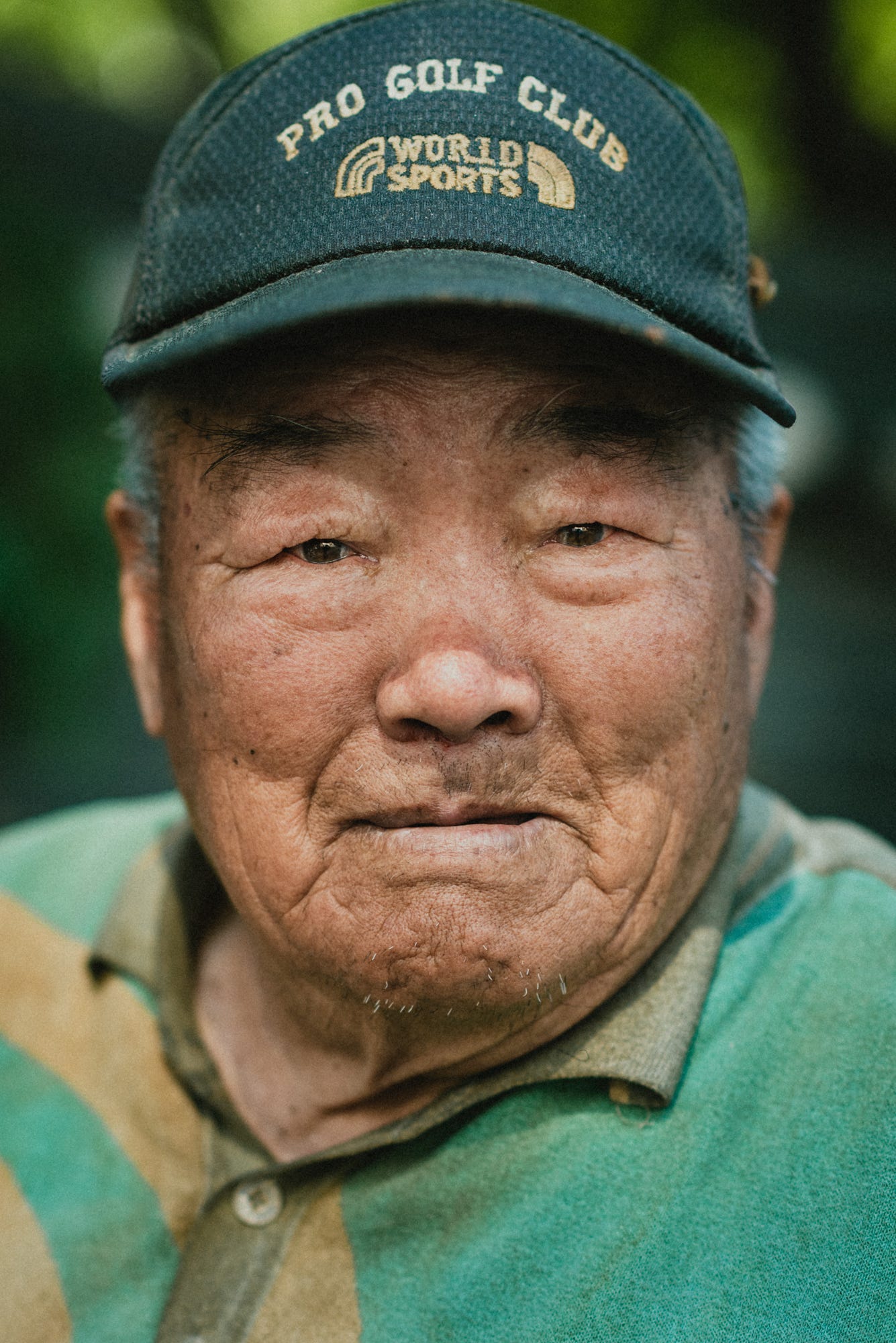
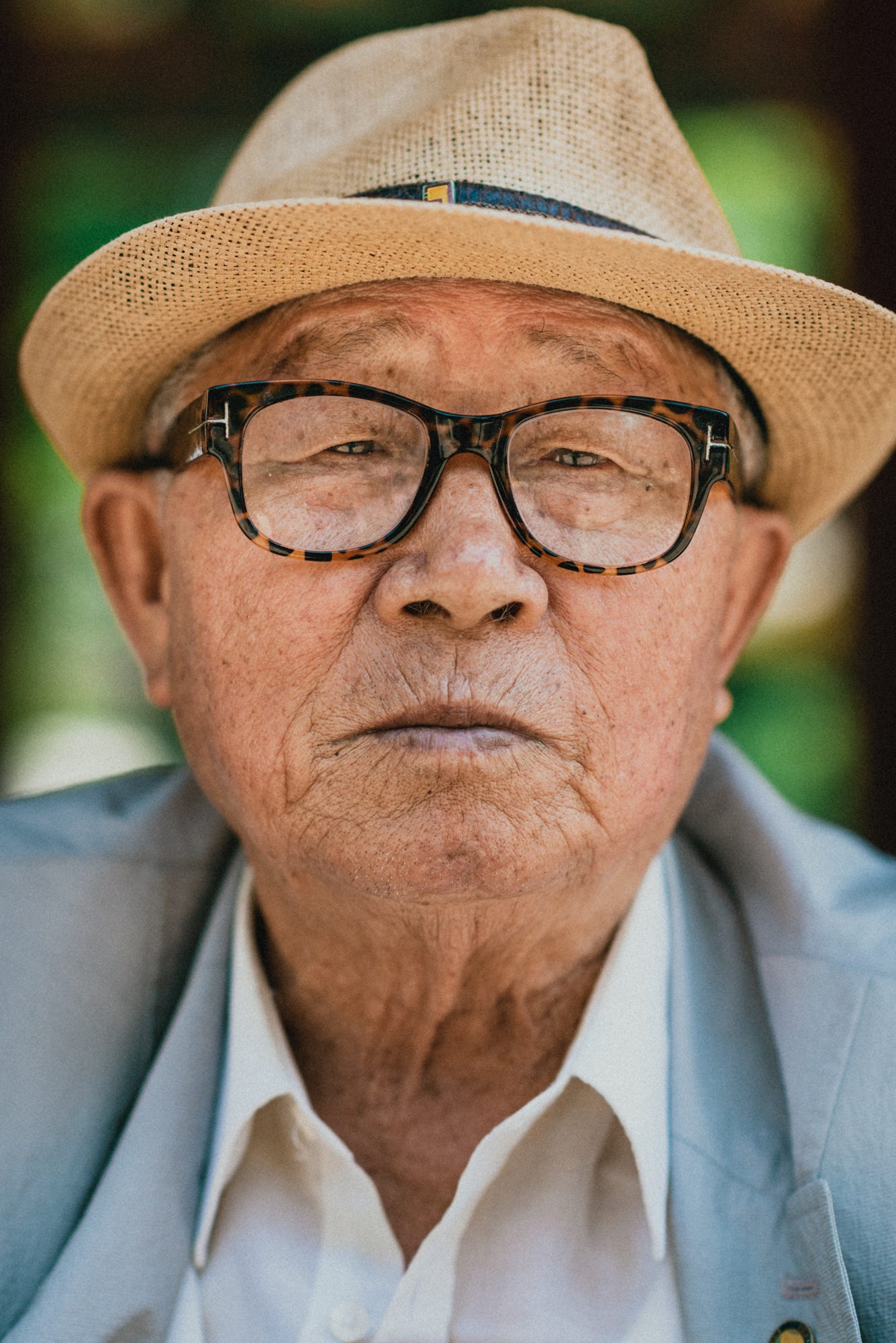
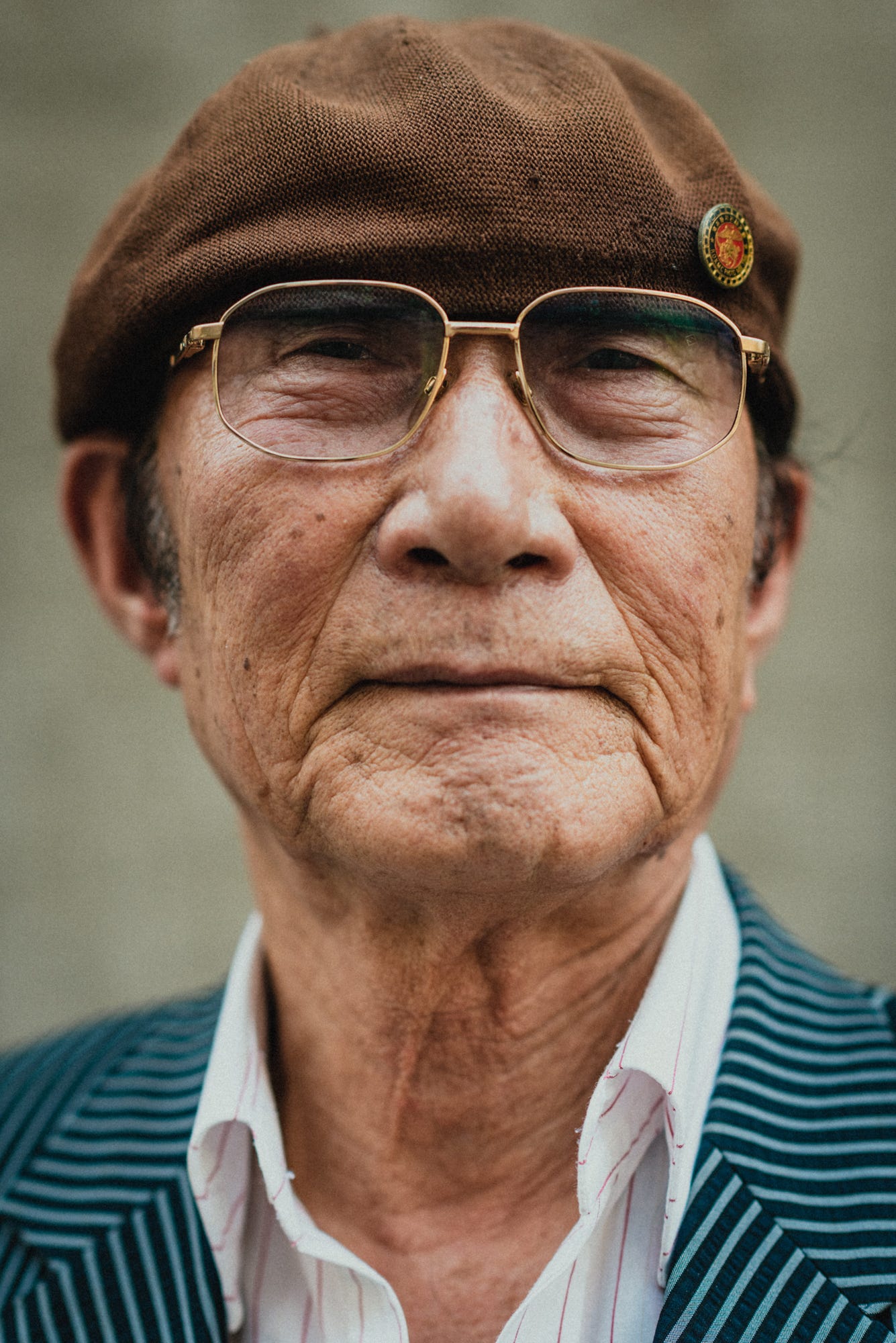
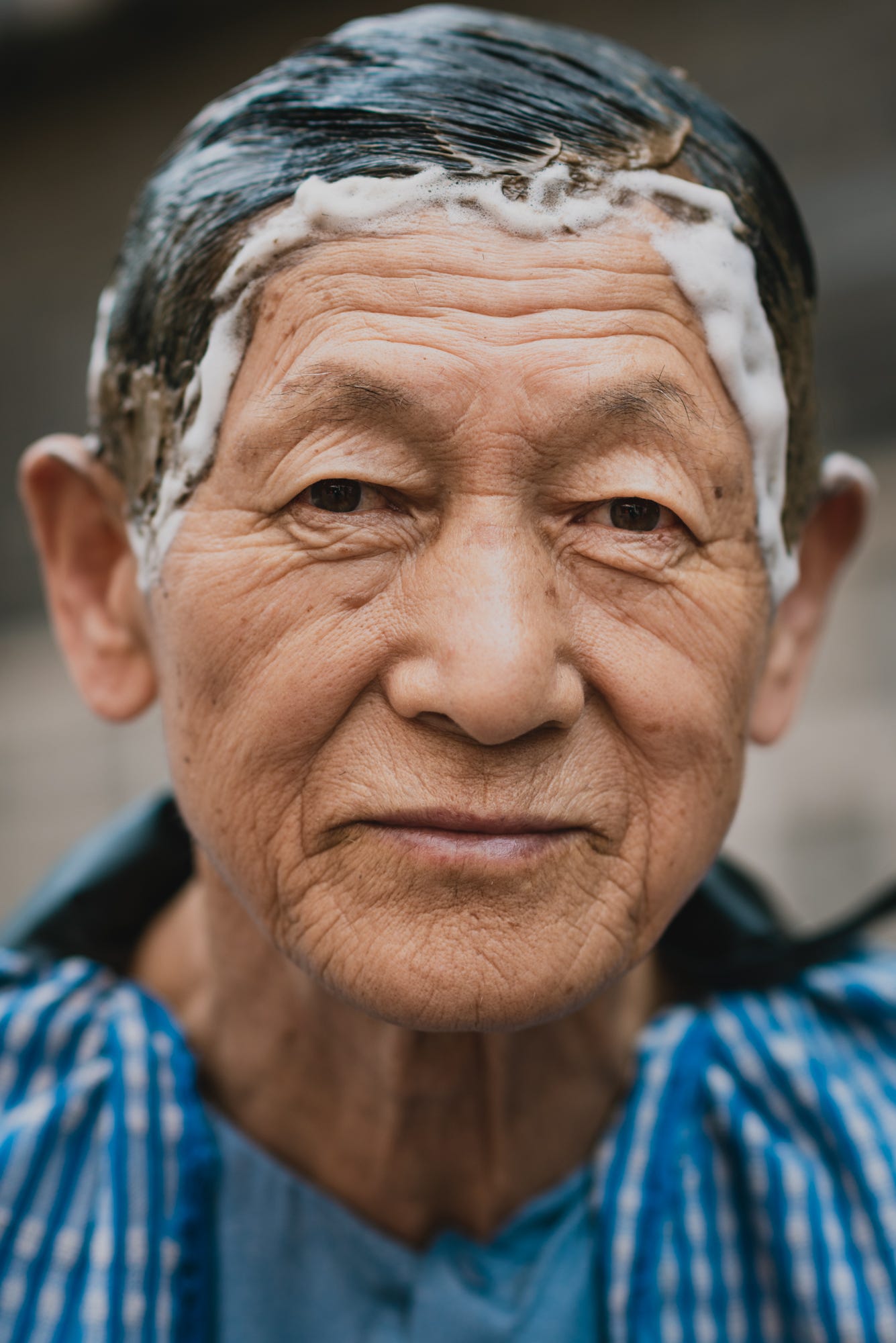
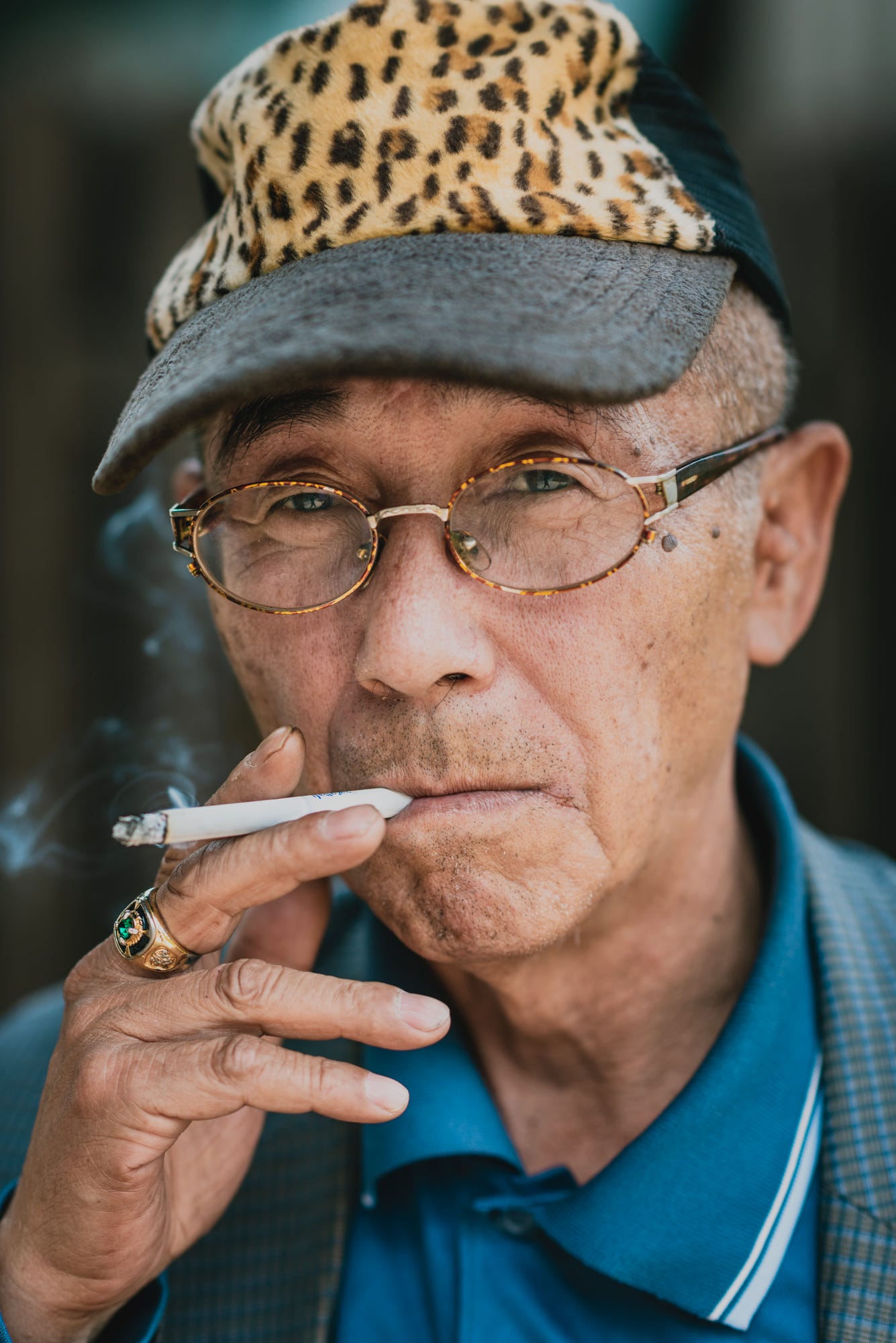
The guy with the brown hat leaps out at me. Surreal!
Kudos to you! Being aware of stepping into the comfort zone and doing it any way. They look comfortable with it, though. For me as a viewer they are almost too close! 🙈 But these are great portraits, Chris!